
Clinical Cardiac Electrophysiology Fellowship Program
Program overview
The two-year Clinical Cardiac Electrophysiology Fellowship at Lankenau Medical Center is designed to prepare fellows for careers as proficient and independent clinical cardiac electrophysiologists. The fellowship provides two years of advanced training and supervised experience to graduates of a three-year, ACGME-accredited cardiovascular disease training program.
Program highlights include:
- Exposure to a wide range of mapping and ablation procedures, including atrial fibrillation, ventricular tachycardia and supraventricular tachycardia
- Extensive experience with advanced mapping and navigation systems, emerging technologies and innovative therapeutic devices
- A robust didactic curriculum covering device troubleshooting, complex electrogram interpretation, and core electrophysiology topics
- Dedicated research time to support scholarly activity and publication efforts
- Engaged faculty who are committed to teaching, mentorship and advancing fellows’ clinical knowledge and professional growth
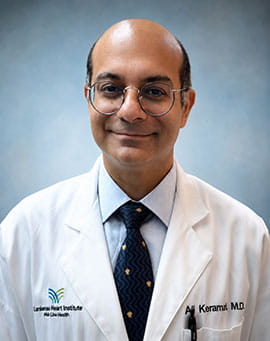
Message from the program director
Dear Prospective Fellows,
Welcome to the Clinical Cardiac Electrophysiology Fellowship at Lankenau Medical Center.
Choosing an EP fellowship is about more than procedural volume, technology, or schedules. It is about choosing the environment that will shape how you think, make decisions, and grow into an independent electrophysiologist.
At Lankenau, we train fellows to become thoughtful clinicians, skilled proceduralists, and careful decision-makers. Our program emphasizes close mentorship, graded autonomy, honest feedback, and a culture that encourages fellows to ask why.
Fellows are integrated into all aspects of EP practice, including procedures, clinic, inpatient consultation, device management, research, and teaching. Our faculty are committed to knowing each fellow individually and supporting their growth, confidence, and independence.
Lankenau offers the complexity of a tertiary cardiovascular center within a collegial, mentorship-driven environment. Our goal is for each fellow to graduate with the procedural skill, clinical judgment, and curiosity needed to care for patients with complex rhythm disorders.
We look forward to meeting applicants who are curious, motivated, collaborative, and ready to grow.
Sincerely,
Ali R. Keramati, MD, FACC, FHRS
Program Director
Clinical Cardiac Electrophysiology Fellowship
Lankenau Medical Center
Your training experience
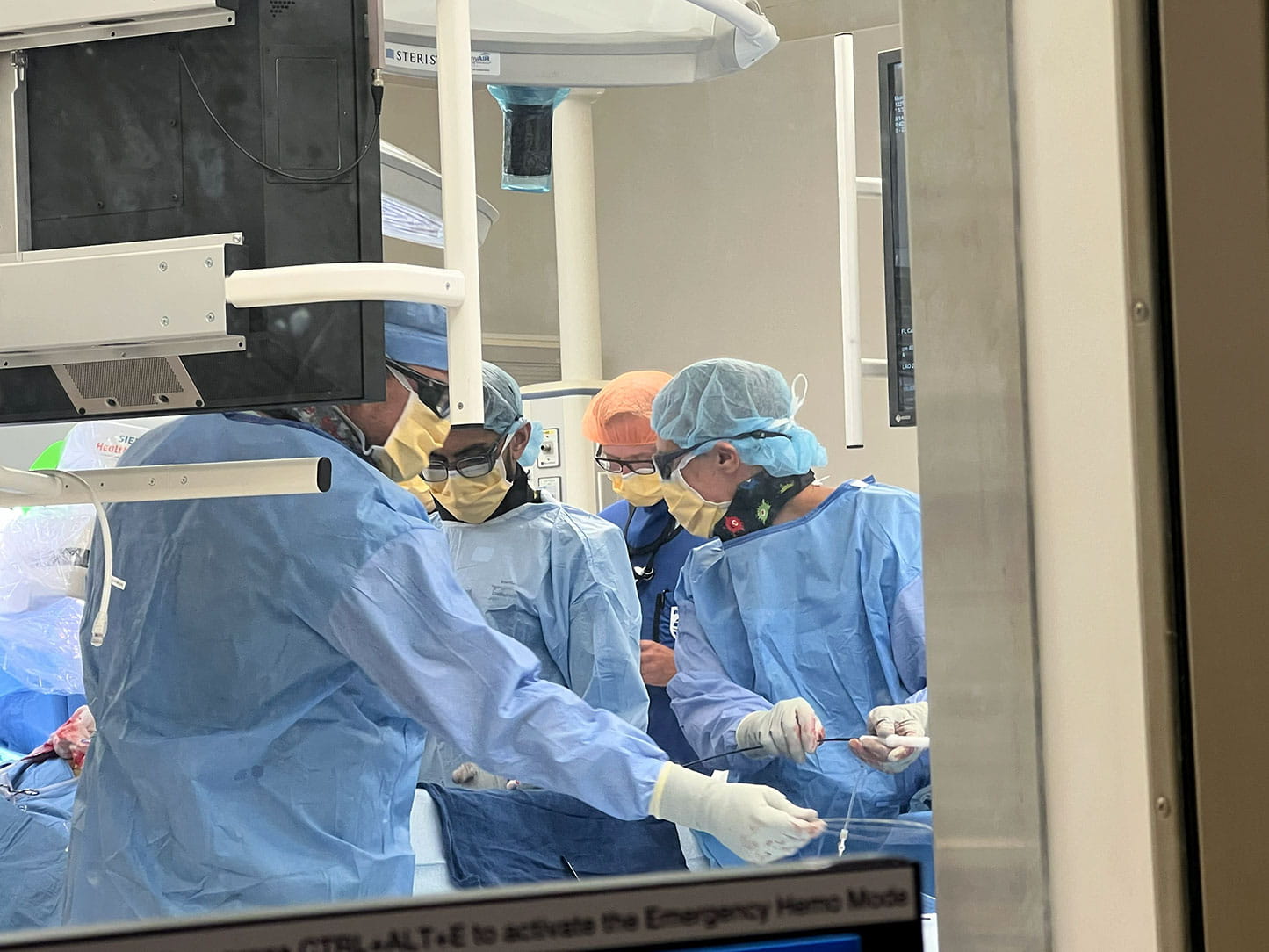
As a fellow at Lankenau Medical Center, you will have access to comprehensive clinical training, educational opportunities, and research resources. Our program is committed to supporting fellows both on and off campus, with resources that promote well-being, work-life balance, and overall professional growth.
- Learn about the curriculum
- Meet our faculty
- Meet our current fellows
Accreditation
The Clinical Cardiac Electrophysiology Fellowship at Lankenau Medical Center fulfills the training requirements as defined by the American Board of Internal Medicine. The program is accredited by the Accreditation Council for Graduate Medical Education.
Certification
After successfully completing the program, graduates are eligible to take the subspecialty Clinical Cardiac Electrophysiology Certification Exam offered by the American Board of Internal Medicine.
Application process
The Clinical Cardiac Electrophysiology Fellowship Program participates in the Electronic Residency Application Service (ERAS) and the National Resident Matching Program/Specialties Matching Service.
Interested applicants should provide:
- ERAS application
- Curriculum vitae
- Personal statement
- Three letters of recommendation, including one from the current program director
- Medical School Dean’s letter and medical school transcript
Application timeline
All applications are received through ERAS in July. Interview invitations are sent through ERAS, with interviews typically taking place in the fall.
Candidates with questions should contact:
Ali Keramati, MD
Email: Keramatia@mlhs.org
Sabrina Morris, Program Manager
Email: MorrisSa@mlhs.org
Phone: 484.476.2552
Curriculum
Clinical training
The Clinical Cardiac Electrophysiology Fellowship at Lankenau Medical Center provides comprehensive training across the full spectrum of modern electrophysiology. Fellows spend the majority of their clinical time in the EP laboratory, with dedicated experiences in outpatient EP care, inpatient consultation, device management, and mentored research.
Lankenau offers broad procedural training in atrial fibrillation ablation, ventricular tachycardia ablation, PVC ablation, supraventricular tachycardia ablation, pacemaker and defibrillator implantation, cardiac resynchronization therapy, left bundle branch area pacing, leadless pacing, lead extraction, and left atrial appendage occlusion.
Training is supported by a robust procedural infrastructure. The EP program includes two dedicated EP laboratories with access to CARTO, EnSite, and Opal HDx mapping systems, as well as pulsed field ablation and radiofrequency ablation platforms. Fellows also train in a dedicated structural room for left atrial appendage closure procedures, a swing lab for device cases, and hybrid operating rooms for extraction procedures with full cardiac surgery backup.
Fellows are exposed to complex and advanced procedural care, including endocardial and epicardial VT ablation, summit PVC ablation, laser and mechanical lead extraction, left atrial appendage closure with Watchman, Conformal, and Amulet devices, hybrid atrial and ventricular arrhythmia procedures in collaboration with cardiac surgery, left bundle branch area pacing, Bachmann’s bundle pacing, and AVEIR dual-chamber leadless pacing. The program also provides exposure to emerging technologies through clinical trials and investigational device studies.
Consult service and outpatient clinic
The inpatient consult experience is designed to help fellows develop the clinical judgment and leadership skills needed to manage complex arrhythmia and device-related problems in hospitalized patients. During the PGY-7 year, fellows cover the EP consult service approximately one out of every five weeks. During the PGY-8 year, consult coverage occurs approximately one out of every eight weeks.
The service is supported by full-time nurse practitioners and general cardiology fellows, allowing the CCEP fellow to focus on leading the consultative service in collaboration with the attending electrophysiologist.
In addition, fellows participate in one day of outpatient clinic each week with an attending electrophysiologist. The goal of this experience is to develop mastery of longitudinal EP care, which is a major component of electrophysiology practice.
Didactic training
The Lankenau Clinical Cardiac Electrophysiology Fellowship includes a structured weekly educational curriculum designed to provide comprehensive training in clinical electrophysiology, arrhythmia mechanisms, device management, procedural planning, and research. Formal conferences are held on Tuesday, Wednesday, and Thursday mornings from 7:15–8:15 a.m., with dedicated sessions for electrogram interpretation, device education, and core EP didactics.
- EP Core Curriculum Conference
The EP Core Curriculum Conference is held on Thursday mornings from 7:15–8:15 a.m. The curriculum includes approximately 45 faculty-led presentations covering the full spectrum of cardiac electrophysiology, including ablation, electroanatomic mapping, device therapy, and basic science. In addition, the program invites outside speakers to provide focused lectures on contemporary topics in clinical and procedural electrophysiology. - EGM and Case-Based Arrhythmia Conference
The EGM Conference is held on Tuesday mornings from 7:15–8:15 a.m. and focuses on arrhythmia interpretation, intracardiac electrograms, diagnostic maneuvers, and ablation strategy. The curriculum includes dedicated faculty presentations on arrhythmology and ablation of different arrhythmias, as well as fellow-led case presentations focused on SVTs, VTs, mapping, pacing maneuvers, diagnostic pitfalls, and procedural decision-making. - Device Conference
The Device Conference is held every other Wednesday morning from 7:15–8:15 a.m. This conference provides focused education on device function, device troubleshooting, malfunctions, programming, and remote monitoring. The curriculum includes approximately 25 dedicated device conferences, allowing fellows to build practical expertise in pacemakers, ICDs, CRT, leadless pacing systems, and longitudinal device management. - Research Conference and Scholarly Activity
Research conferences are monthly meetings that provide a forum for fellows to review current basic, translational, and clinical EP research; present research protocols and proposals; and discuss ongoing projects and original study results. The program’s research environment is supported by active clinical trials and the Lankenau Institute for Medical Research.
Teaching opportunities
Teaching is an important part of the fellowship experience. Fellows are expected to contribute actively to the educational environment of the division through case presentations, conference discussions, bedside teaching, and procedural teaching.
Fellows present cases during EGM and case-based arrhythmia conferences, participate in device and tracing review sessions, and teach general cardiology fellows and residents on the inpatient consult service. They also work closely with advanced practice providers, device clinic staff, EP lab staff, and allied health professionals.
Evaluation and mentorship
Fellow development is closely monitored throughout training. Evaluation is based on performance across the EP laboratory, outpatient clinic, inpatient consult service, device management, research activity, conference participation, professionalism, and communication.
The program emphasizes progressive autonomy with close faculty supervision. Fellows receive ongoing feedback from attending electrophysiologists and meet with program leadership to review clinical growth, procedural experience, research progress, and individualized learning goals.
Evaluation is aligned with the core competencies expected of clinical cardiac electrophysiology trainees, including patient care, medical knowledge, interpersonal and communication skills, professionalism, practice-based learning and improvement, and systems-based practice.
The goal is to ensure that each fellow graduates with the procedural skill, clinical judgment, scholarly foundation, and professional maturity needed to practice independently as a clinical cardiac electrophysiologist.
Research training
Research is an integral part of the Lankenau CCEP fellowship. Fellows have one half-day of protected research time each week, with the goal of developing critical thinking skills and learning how to design, execute, and present mentored research projects.
Lankenau has participated in multiple major clinical and investigational studies, including:
- CONFORMAL EFS and IDE — Evaluating the Conformal Left Atrial Appendage Seal device for left atrial appendage occlusion in patients with non-valvular atrial fibrillation. ClinicalTrials.gov: NCT03616028.
- Left Bundle BRAVE IDE Trial — Assessing left bundle branch area pacing compared with traditional right ventricular septal pacing in patients with high-grade conduction disease after TAVR. ClinicalTrials.gov: NCT05024279.
- OCEANIC AF — A phase 3 trial evaluating asundexian, a factor XIa inhibitor, compared with apixaban for stroke and systemic embolism prevention in patients with atrial fibrillation. ClinicalTrials.gov: NCT05643573.
- LeAAPS — Evaluating left atrial appendage exclusion for prevention of ischemic stroke or systemic arterial embolism in patients undergoing cardiac surgery. ClinicalTrials.gov: NCT05478304.
- FLIP AF — Evaluating whether potassium supplementation improves the efficacy of flecainide for acute chemical cardioversion in patients with persistent atrial fibrillation.
The research platform is strengthened by close collaboration between electrophysiology, cardiovascular medicine, cardiac surgery, structural heart, and basic science investigators. The Lankenau Institute for Medical Research includes nationally recognized cardiovascular research leadership, including Dr. Gan-Xin Yan, Director of Cardiovascular Research, and Dr. Peter R. Kowey, William Wikoff Smith Chair in Cardiovascular Research.
For fellows, this research environment provides more than publication opportunities. It offers exposure to trial design, investigational devices, protocol development, regulatory processes, data interpretation, and the translation of new technologies into patient care.
Learn more about the Lankenau Institute for Medical Research.
Our faculty and fellows
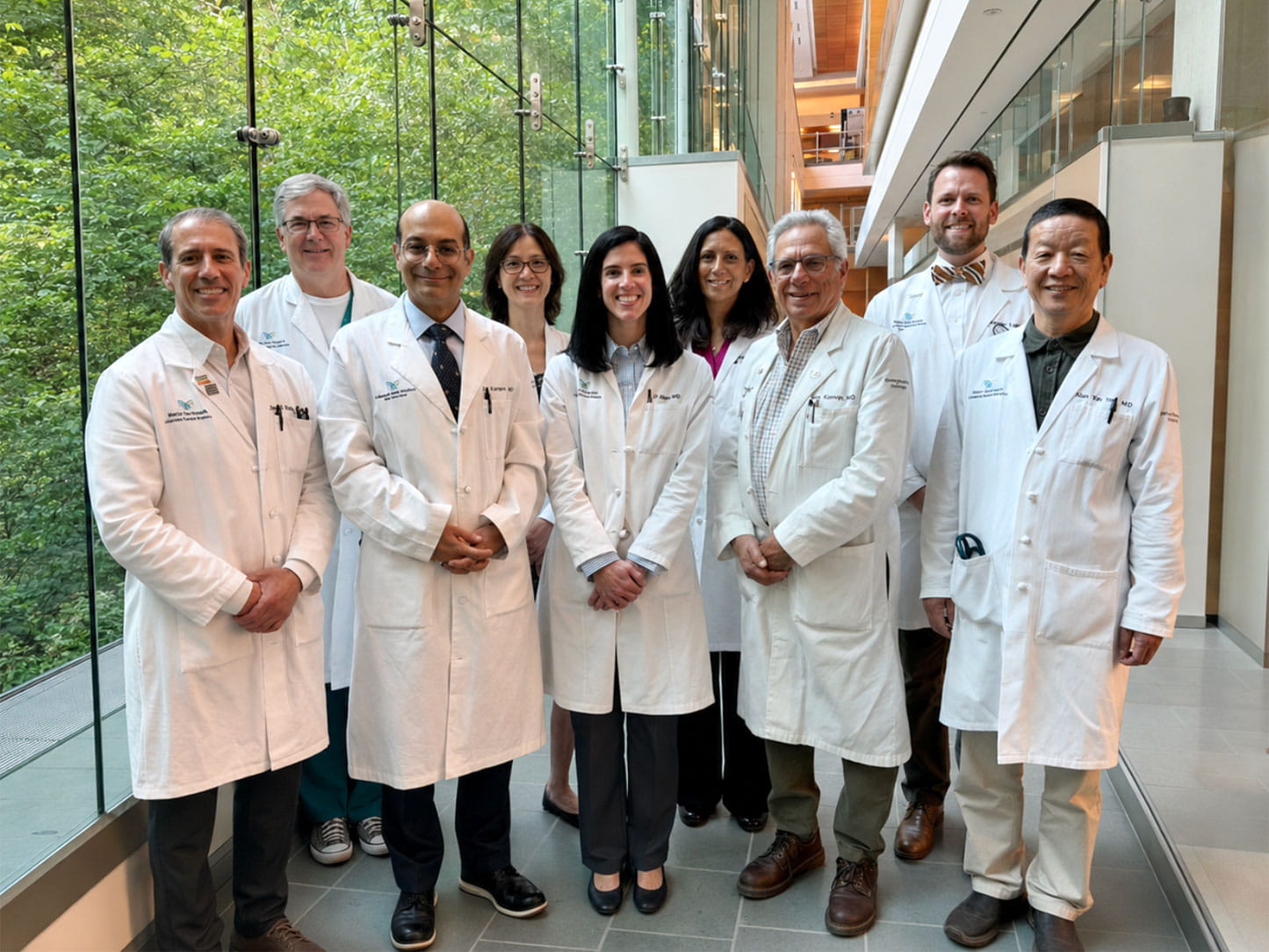
In addition to providing exceptional patient care, the electrophysiology faculty at Lankenau Medical Center are dedicated to teaching, mentorship and advancing medical knowledge. Many of our faculty are actively involved in scholarly activity and leadership roles within their areas of expertise. Throughout the training program, fellows have direct access to faculty who are committed to supporting their clinical development, academic growth and professional success.
Fellows

Raj Dalsania, MD
I am a PGY-8 EP Fellow at Lankenau Medical Center. For EP fellowship I wanted a well-rounded education that allowed me ample experience in all aspects of EP such as complex arrhythmia management (including VT ablation), left atrial appendage occlusion devices, device/lead management (including lead extraction), and more. Electrophysiology is a constantly evolving field, and I feel confident that my training as part of the EP fellowship at Lankenau Medical Center has provided me with the skills I need to succeed in any environment I choose to work in. My favorite aspect of this fellowship is the camaraderie among the EP fellows, attendings, and all the staff, in addition to the exceptional didactics. Outside of EP, my passions include cycling, running, and spending time with my wife and two kids.
Lucas Battel, MD

Dr. Lucas Battel is a first year Electrophysiology fellow who received his medical degree from the Federal University of Rio Grande do Sul, in Brazil. He completed his internal medicine residency at University at Buffalo in 2022. Most recently, he completed his Cardiovascular Disease fellowship at Allegheny General Hospital, graduating in 2025. Lucas joined Lankenau Medical Center for its very strong clinical training and wide variety of complex pathology.