830 Old Lancaster Road
830 Old Lancaster Road, Bryn Mawr, Pennsylvania 19010
Achieving and maintaining a healthy weight can be a lifelong process and is different for each patient, which is why we offer a variety of surgical options to help those who qualify.
We believe in an empathetic approach and take pride in being the door to a wide range of specialized treatments, education and support in a welcoming, supportive environment.
Bariatric surgery can produce sustainable weight loss in those who have obesity who have not achieved long-term success with other weight loss attempts. In addition, bariatric surgery may resolve other co-morbidities, diseases or conditions and improve your overall health and quality of life.
Bariatric surgery may:

Just like any other kind of procedure, some people are good candidates for weight loss surgery while others might not be. Before scheduling an appointment, it's important to review the eligibility requirements.
If you're interested in bariatric surgery, you may qualify if you:
Committing to bariatric surgery means committing to long-term follow-up appointments, taking vitamins to ensure you’re getting the proper nutrients and more. These commitments may mean you can stop relying on certain medications, lower your blood pressure naturally and even stop using a CPAP machine. With bariatric surgery at Main Line Health, you'll work with a team who will partner with you throughout your procedure and beyond.
If you're unsure whether you qualify for weight loss surgery, or have questions about life after bariatric surgery, give us a call so we can give you the guidance and solution you need.
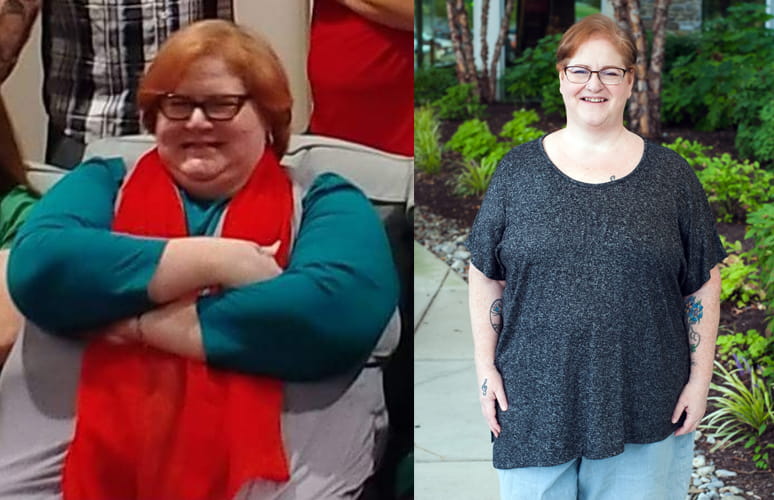
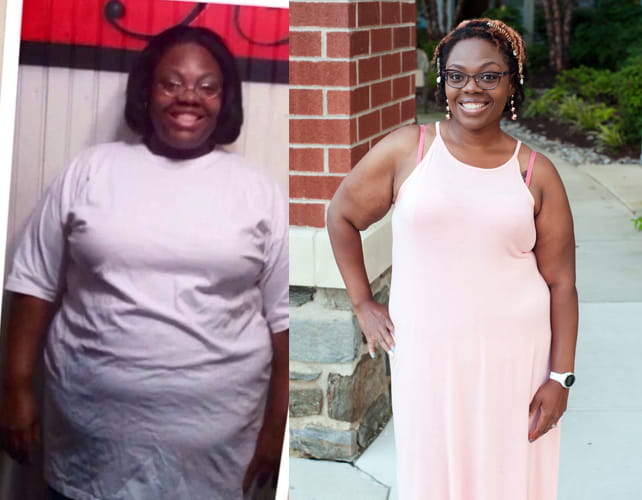
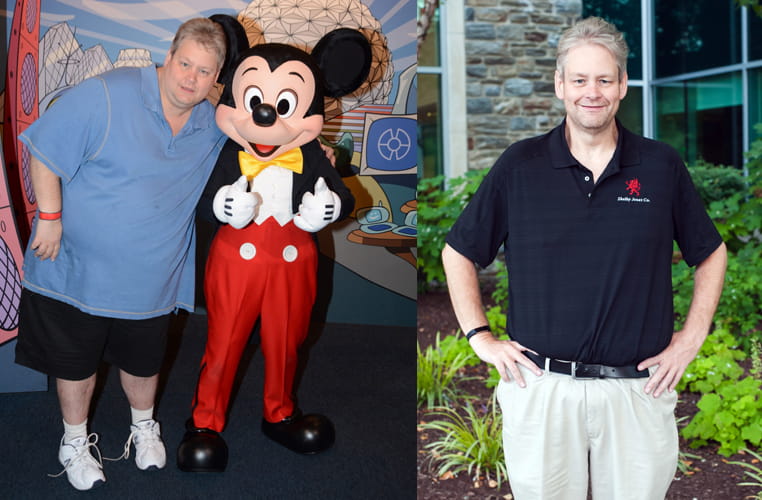
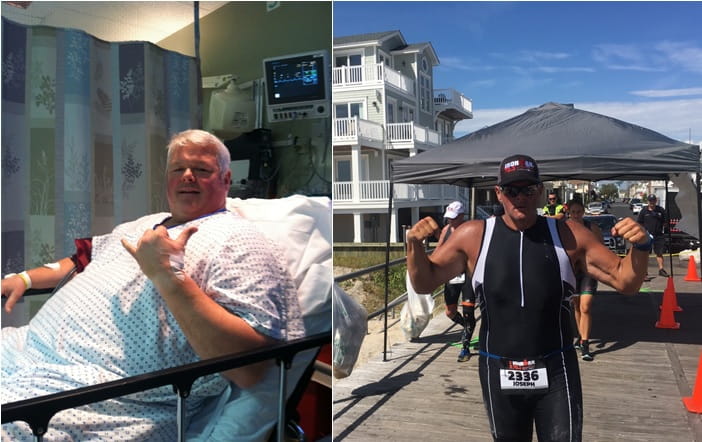
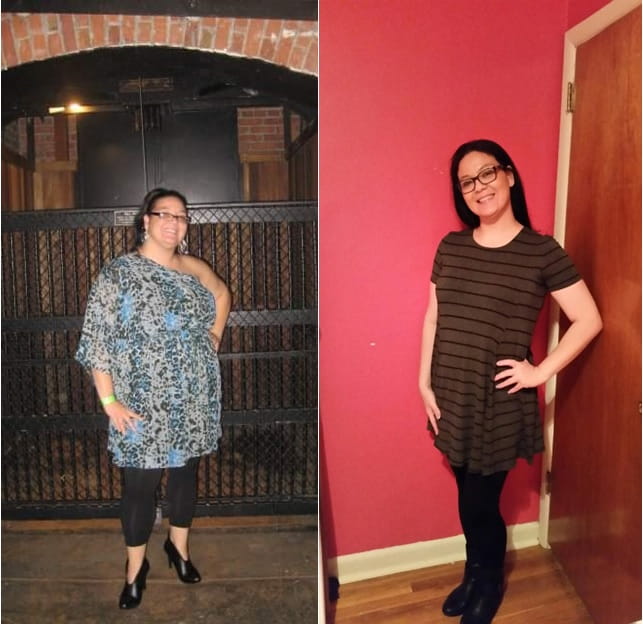

Bariatric surgery can be life-altering for people who have struggled with the negative effects of obesity on mobility, physical and mental health, social life and relationships. While weight loss surgery results are not guaranteed, many patients do succeed when following our bariatric program guidelines and getting necessary bariatric support along the way.
Following are some weight loss surgery results photos* of patients who received bariatric treatment by our bariatric surgeons at the Bryn Mawr Hospital Bariatric Center. You can also read some of our bariatric surgery success stories.
Interested in finding out if bariatric surgery is right for you?
Having bariatric surgery or weight loss surgery can be life-altering as you shed the pounds as well as the years of frustration around weight gain. But the reality is, losing a lot of weight leaves many patients with a lot of loose, stretched out skin that has lost its elasticity, which is its ability to "bounce back" into shape. Patients often feel the victory of extreme weight loss but are left with excess flaps of skin that can cause problems such as sweating within the folds of skin which can cause painful chafing and sores. Some people are also bothered by the appearance of the skin and how it affects the way they look and feel in their clothing.
Discover lasting weight loss solutions at Main Line Health. Read through our FAQs to find answers to all your bariatric surgery questions.

Want to get the latest health and wellness articles delivered right to your inbox?
Subscribe to the Well Ahead Newsletter.